Open vs Enclosed Auto Transport: Which Should You Choose?
Open vs Enclosed Auto Transport
Choosing between open and enclosed transport is one of the most important decisions when shipping your vehicle. This guide breaks down everything you need to know.
The Quick Answer
If you're shipping a standard vehicle worth under $50,000 and want the best value, open transport is your best choice. For luxury, classic, or high-value vehicles, enclosed transport provides the protection your investment deserves.
Market Reality
Over 90% of vehicles shipped in the US travel on open carriers. It's the same method used by manufacturers and dealerships to move new inventory.
Open Transport Explained
Open transport uses multi-level car haulers—the same trucks you see on highways carrying new cars from factories to dealerships.
How It Works
- Vehicles are loaded onto exposed trailers
- Typically 7-10 vehicles per load
- Cars are secured with professional-grade straps
- Drivers perform regular inspections during transit
Advantages of Open Transport
| Benefit | Details |
|---|---|
| Lower Cost | 30-40% cheaper than enclosed |
| Faster Booking | More carriers available |
| Quicker Pickup | Higher availability means shorter wait times |
| Proven Track Record | Industry standard for decades |
Concerns About Open Transport
Let's address the common worries:
Weather exposure: Yes, your car is exposed to rain, sun, and wind. But consider this—your car handles those conditions every day in your driveway or parking lot.
Road debris: There's minimal risk of chips or dust. Damage claims on open transport are rare—less than 0.1% of shipments.
Insurance Coverage
All legitimate carriers carry cargo insurance. Any damage during transit is covered, regardless of transport type.
Enclosed Transport Explained
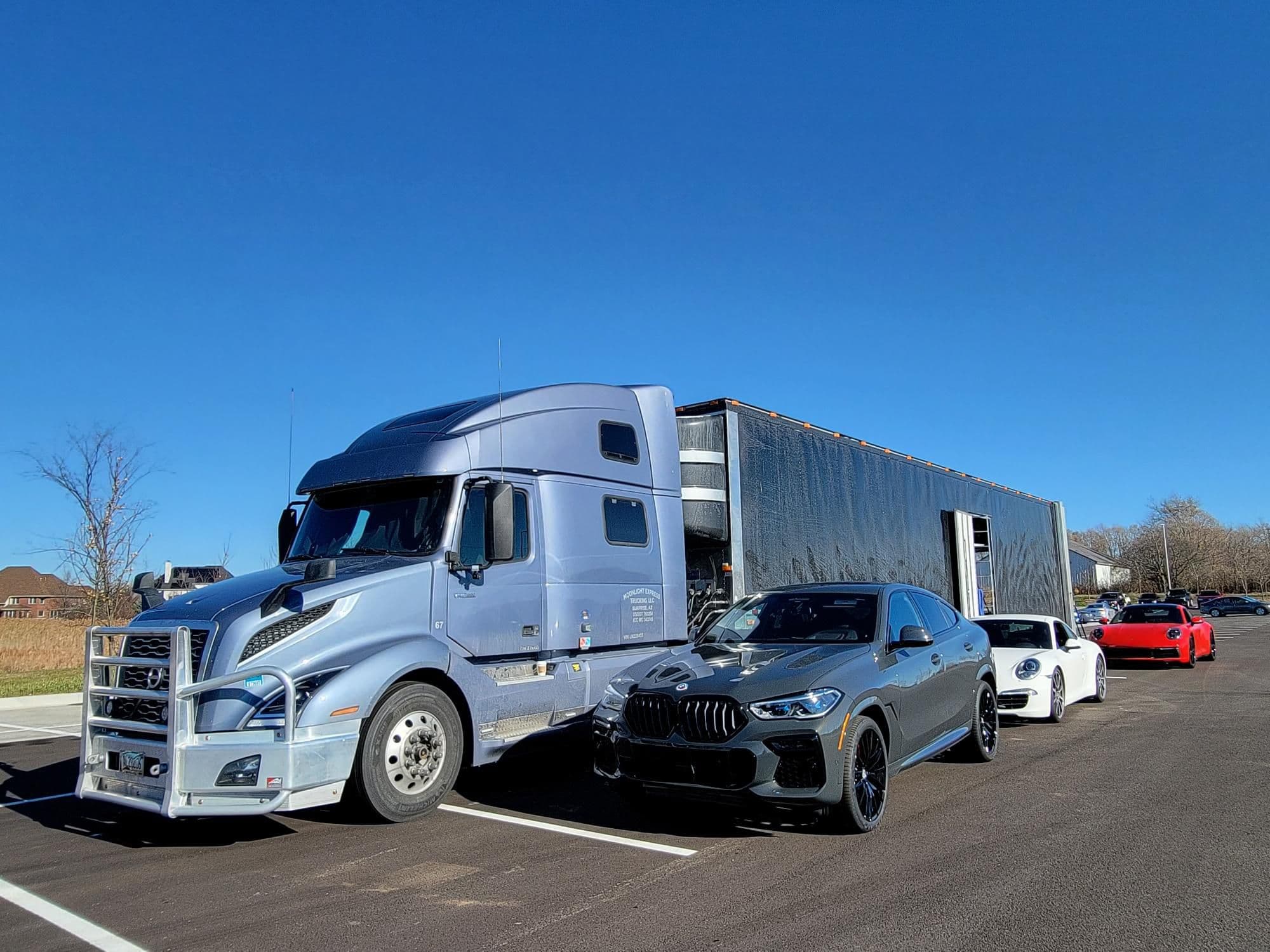
Enclosed transport uses fully covered trailers that shield your vehicle from all external elements.
Types of Enclosed Trailers
- Hard-sided enclosed – Steel walls, maximum protection
- Soft-sided enclosed – Vinyl walls, good protection, lighter weight
- Multi-level enclosed – 4-6 vehicles, more economical
- Single-level enclosed – 1-2 vehicles, premium service
Advantages of Enclosed Transport
- Complete protection from weather and debris
- Lower risk of any cosmetic damage
- More careful handling due to vehicle value
- Climate control options available
- Often includes hydraulic lift loading
Who Should Choose Enclosed
Consider Enclosed If...
Your vehicle falls into any of these categories: luxury cars, collector vehicles, race cars, show cars, motorcycles, or any vehicle worth over $75,000.
Ideal candidates:
- Ferrari, Lamborghini, Porsche, and exotic sports cars
- Classic muscle cars and vintage vehicles
- Rare and collectible automobiles
- Custom show vehicles
- High-end luxury sedans (Mercedes S-Class, BMW 7 Series)
- Modified or restored classics
Cost Comparison
Understanding the price difference helps you budget appropriately.
Sample Route: Los Angeles to New York
| Transport Type | Estimated Cost | Delivery Time |
|---|---|---|
| Open Transport | $1,200 - $1,500 | 7-10 days |
| Enclosed Transport | $1,800 - $2,400 | 7-12 days |
Why the price difference?
- Enclosed trailers carry fewer vehicles (4-6 vs 7-10)
- Specialized equipment costs more to operate
- Drivers are trained for high-value cargo
- Insurance premiums are higher
Making Your Decision
Ask yourself these questions:
Choose Open Transport If:
- Your vehicle is a daily driver in good condition
- Budget is a primary concern
- You need faster scheduling
- The vehicle is less than 10 years old
- You're comfortable with highway-level exposure
Choose Enclosed Transport If:
- Vehicle value exceeds $75,000
- It's a classic, collector, or show car
- The vehicle has custom paint or modifications
- You're shipping for a car show or auction
- Peace of mind is worth the extra cost
Hybrid Option
Some shippers offer "covered open" transport—open trailers with fabric covers. This provides some weather protection at a lower cost than full enclosed service.
What About Insurance?
Both open and enclosed carriers are required to carry cargo insurance. However, there are differences:
Open Transport Insurance:
- Minimum $100,000 cargo coverage
- Covers damage during loading/unloading
- Covers transit damage
Enclosed Transport Insurance:
- Often $500,000+ cargo coverage
- May include gap coverage
- Better protection for high-value claims
Get Your Quote
Not sure which option is right for your vehicle? Get quotes for both and compare:
- Instant pricing for open and enclosed transport
- No obligation, no hidden fees
- Expert guidance on the best option for your vehicle
Our transport specialists can help you decide which option best fits your vehicle and budget. Contact us for personalized recommendations.
Related Articles
Auto Transport Insurance: What You Need to Know in 2025
Understand auto transport insurance coverage, what is and is not covered, how to verify a carrier's policy, and how to protect your vehicle during shipping.
How to Avoid Auto Transport Scams: Protect Your Vehicle and Money
Learn to identify auto transport scams before they cost you. Red flags to watch for, verification steps, and how to find legitimate car shipping companies.
Door-to-Door vs Terminal Shipping: Which Is Right for You?
Compare door-to-door and terminal-to-terminal car shipping. Learn the real cost differences, pros and cons, and which option fits your situation best.