How to Avoid Auto Transport Scams: Protect Your Vehicle and Money
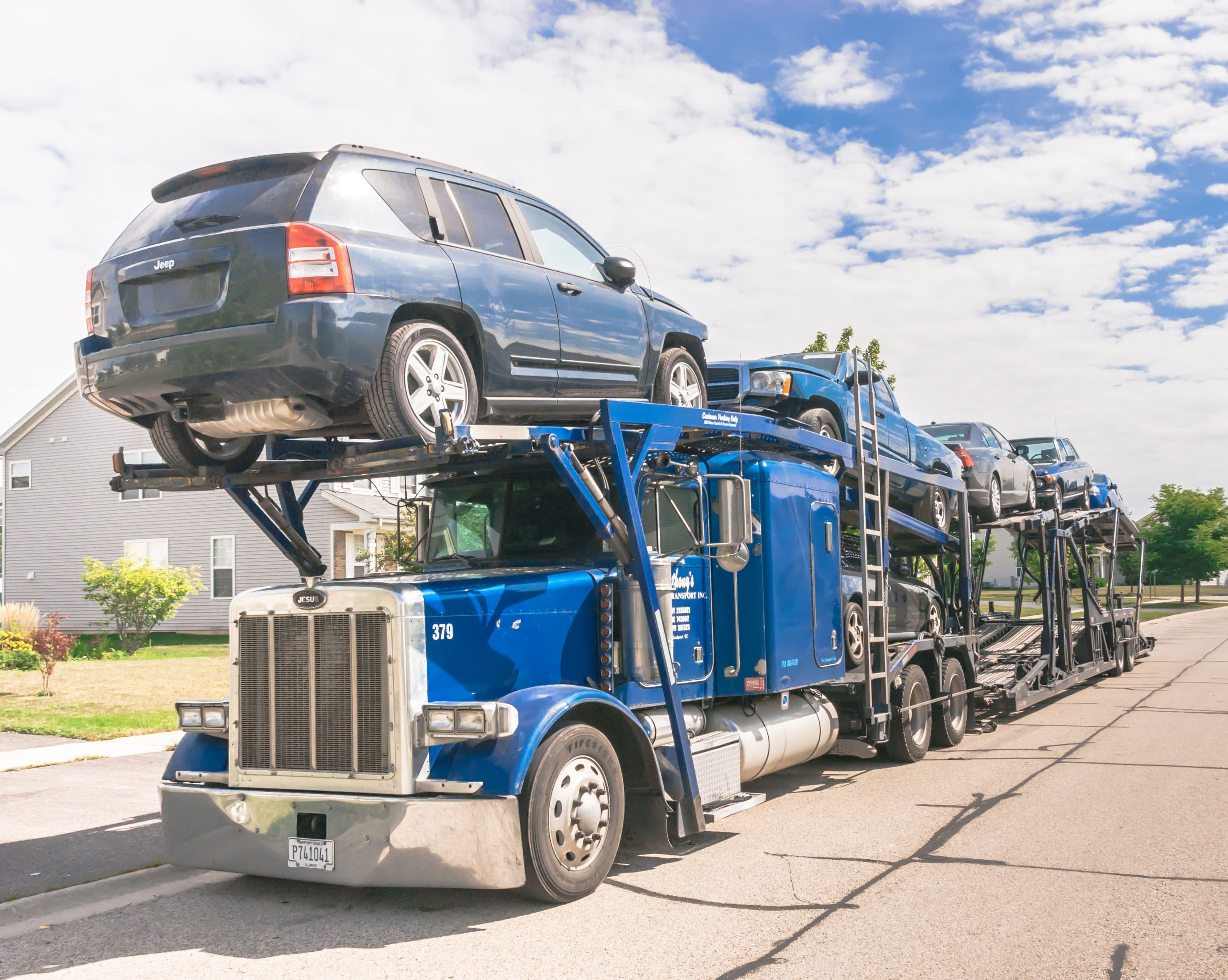
How to Avoid Auto Transport Scams
The auto transport industry has its share of bad actors. Every year, thousands of people fall victim to scams—losing deposits, experiencing delayed pickups, or worse. Here's how to protect yourself.
Why Scams Are Common
The auto transport brokerage model creates opportunities for fraud:
- Low barriers to entry (just a phone and website)
- Large upfront deposits are industry-standard
- Customers often ship infrequently and lack experience
- Seasonal demand creates pressure to book quickly
Important Statistic
The Better Business Bureau receives over 3,000 complaints annually about auto transport companies. Many more go unreported.
Red Flags to Watch For
Learn to recognize these warning signs before you book.
1. Unusually Low Quotes
If a quote seems too good to be true, it probably is.
The Scam: Company quotes $500 for a cross-country move. After you pay the deposit, they claim the "price increased" or simply never arrange pickup.
Reality Check: Average cross-country transport costs $1,000-$1,500. Quotes 40%+ below market rate are almost always bait-and-switch tactics.
2. Large Upfront Deposits
Major Red Flag
Never pay more than 20% upfront or any deposit to an unverified company. Legitimate carriers typically collect full payment upon delivery.
The Scam: Company demands 50% or full payment before pickup. They collect money, then disappear or continuously delay service.
Safe Practice: Pay a small booking deposit to a verified broker, with the balance due to the carrier upon delivery.
3. No Physical Address
Legitimate companies have real offices. Scammers operate from anywhere.
What to Check:
- Google Street View the address (is it a real office building?)
- Call the listed phone number
- Verify the address matches FMCSA registration
4. Pressure to Book Immediately
The Scam: "This price expires in 1 hour" or "We only have one spot left."
Reality: Carrier availability changes, but legitimate companies don't use high-pressure tactics. Quality service providers know you'll return after doing research.
5. No FMCSA Registration
Every legitimate carrier must register with the Federal Motor Carrier Safety Administration.
Verification Tool
Use the FMCSA's SAFER System (safer.fmcsa.dot.gov) to verify any company's operating authority. Look for active MC and USDOT numbers.
How to Verify a Company
Follow this checklist before booking with any auto transport service.
Step 1: Check FMCSA Registration
- Visit SAFER System
- Enter the company's MC number or USDOT number
- Verify their operating authority is "AUTHORIZED"
- Check for any "OUT OF SERVICE" flags
Step 2: Verify Insurance
| What to Check | Minimum Requirement |
|---|---|
| Liability Insurance | $750,000 |
| Cargo Insurance | $100,000 |
| Bond Status | Active |
Request a Certificate of Insurance (COI) and verify it's current.
Step 3: Research Reviews
Check multiple sources:
- Google Business Profile – Look for response patterns to complaints
- Better Business Bureau – Check rating and complaint history
- Transport Reviews – Industry-specific review site
- Yelp – But be wary of fake positive reviews
Green Flags
Legitimate companies respond professionally to negative reviews, have consistent contact information across platforms, and don't hide behind multiple business names.
Step 4: Verify Contact Information
- Call the main phone number—do real people answer?
- Email a question and measure response time
- Check if the website has a physical address
- Look up the company on LinkedIn
Common Scam Scenarios
Understanding how scams work helps you avoid them.
The Bait-and-Switch
How it works:
- You get a low quote and pay a deposit
- Just before pickup, they claim "market conditions changed"
- The new price is 50-100% higher
- They threaten to keep your deposit if you cancel
Protection: Get quotes in writing. Understand that legitimate price adjustments are rare and small.
The Phantom Broker
How it works:
- A "broker" takes your deposit
- They never actually dispatch a carrier
- Pickup date passes with excuses
- Eventually, they stop responding
Protection: Verify the broker is registered with FMCSA as a broker (not just a carrier). Research their dispatch history.
The Hostage Scenario
How it works:
- Your car is picked up as expected
- Mid-transit, you're told there are "additional fees"
- They won't deliver until you pay extra
- Threatening to take your car to an impound lot
Protection: Get all fees in writing before shipping. Use credit cards for purchase protection. Know your rights under FMCSA regulations.
Questions to Ask Before Booking
Ask every company these questions:
- "What is your MC number?" – Should be answered immediately
- "Can you email me proof of insurance?" – Hesitation is a red flag
- "What happens if the carrier doesn't show up?" – Should have a clear policy
- "Is this quote guaranteed?" – Understand what could change
- "How is payment handled?" – Should be transparent
Trust Your Instincts
If something feels off, it probably is. Legitimate companies welcome questions and provide transparent answers.
What to Do If You've Been Scammed
If you've already fallen victim to a scam:
Immediate Steps
- Document everything – Save all emails, contracts, and payment records
- Dispute the charge – Contact your credit card company immediately
- File an FMCSA complaint – Visit National Consumer Complaint Database
- Report to BBB – File a complaint with the Better Business Bureau
- Report to FTC – Submit to the Federal Trade Commission at ReportFraud.ftc.gov
Recovery Options
- Credit card chargebacks are your strongest tool
- Small claims court for amounts under your state's limit
- State Attorney General consumer protection division
Ship with Confidence
Car Transport Connection is fully licensed, insured, and verified:
- MC Number: Publicly available and verifiable
- Insurance: Full cargo and liability coverage
- Reviews: Thousands of verified customer reviews
- Pricing: Transparent quotes with $150 Price Protection guarantee
- Support: Real humans available 7 days a week
Questions about verifying our credentials? We welcome the scrutiny. Contact us anytime.
Related Articles

Auto Transport Insurance: What You Need to Know in 2025
Understand auto transport insurance coverage, what is and is not covered, how to verify a carrier's policy, and how to protect your vehicle during shipping.

How to Ship Your Car Safely: Complete Guide for 2025
Learn the essential steps to safely ship your vehicle. From choosing carriers to insurance coverage, get expert tips from Car Transport Connection.

Door-to-Door vs Terminal Shipping: Which Is Right for You?
Compare door-to-door and terminal-to-terminal car shipping. Learn the real cost differences, pros and cons, and which option fits your situation best.