Door-to-Door vs Terminal Shipping: Which Is Right for You?
Door-to-Door vs Terminal Shipping: Which Is Right for You?
When booking auto transport, you will choose between two delivery methods: door-to-door and terminal-to-terminal. This decision affects your cost, convenience, and scheduling flexibility. Most people default to door-to-door without considering whether terminal shipping might be a better fit.
Here is an honest comparison of both options so you can choose based on your actual situation.
How Door-to-Door Shipping Works
Door-to-door is exactly what it sounds like. The carrier picks up your vehicle at your specified location and delivers it to your specified destination. You provide two addresses, and the carrier handles the rest.
The Reality of "Door-to-Door"
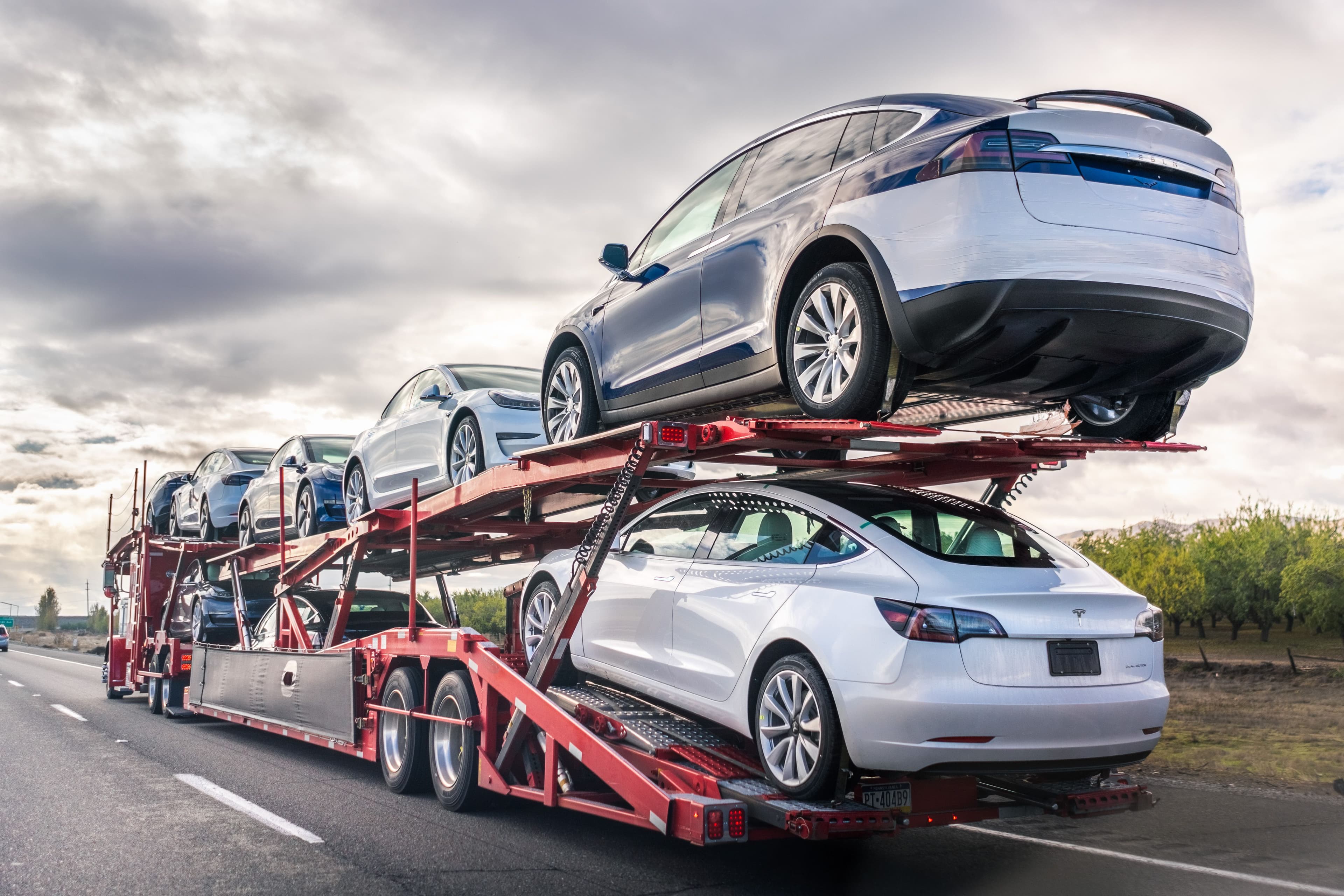
There is an important caveat. "Door-to-door" does not always mean the truck parks directly in your driveway. Car carrier trucks are 70–80 feet long. They cannot navigate every residential street, cul-de-sac, or apartment complex parking lot.
In practice, the driver gets as close to your address as safely possible. This might mean:
- Your driveway — If you live on a wide street with easy truck access
- Your street — If the street is accessible but the driveway is not
- A nearby parking lot — If your street is too narrow, has low-hanging trees, or has parking restrictions
- A nearby main road — If your neighborhood has tight turns or weight-restricted bridges
The driver will communicate the exact meeting point before arrival. In most cases, you are walking less than a block. Occasionally, it might be a short drive to a nearby commercial area.
Good to Know
About 85% of door-to-door deliveries happen at or within sight of the actual address. The remaining 15% require meeting the carrier at a nearby accessible location, usually within a mile.
Advantages of Door-to-Door
Maximum convenience. You do not have to go anywhere. The carrier comes to you at both ends of the shipment. For people juggling a cross-country move with everything else on their plate, this simplicity matters.
Less coordination needed. You provide addresses and availability. The carrier handles routing. No need to research terminal locations or arrange transportation to get there.
Flexible locations. Pickup and delivery can be different types of locations—a home, an office, a dealership, a friend's house. You are not limited to where terminals happen to be.
Standard service. Door-to-door is the default for most carriers and brokers. You are booking the standard product, which means predictable service levels and straightforward logistics.
Disadvantages of Door-to-Door
Higher cost. Door-to-door service typically costs $100–$200 more than terminal shipping for the same route. The carrier expends additional time and fuel reaching specific addresses rather than staying on their primary route.
Scheduling constraints. The carrier needs you (or a designated representative) to be present at both pickup and delivery. If schedules do not align, the carrier may need to return later or charge waiting fees.
Access limitations. As mentioned, not every address is truck-accessible. If you live on a narrow street or in a gated community, the "door" might not be your actual door.
How Terminal-to-Terminal Shipping Works
Terminal shipping means you drop your vehicle off at a carrier's terminal (a designated lot or facility) near your origin, and pick it up at a terminal near your destination.
What Terminals Look Like
Auto transport terminals range from large, fenced commercial lots with office buildings to smaller designated areas at trucking hubs. They are not glamorous. They are functional facilities where vehicles are staged for loading or held for customer pickup.
Most terminals offer:
- Fenced and sometimes gated security
- Paved or gravel parking
- An office or check-in point for paperwork
- Basic lighting and surveillance
They do not offer:
- Covered parking (usually)
- Long-term vehicle storage without fees
- Luxury waiting areas
Advantages of Terminal Shipping
Lower cost. Terminal shipping saves $100–$200 compared to door-to-door on the same route. The carrier stays on their primary route, avoiding detours to residential addresses. This efficiency translates to savings for you.
Simpler carrier logistics. Carriers can batch multiple pickups and deliveries at a single terminal, making their operations more efficient. This efficiency is partially why the cost is lower.
Flexible timing for you. You can drop off your vehicle at the terminal during operating hours when it works for your schedule. You are not waiting around for a carrier who is running two hours late on their route.
Better for inaccessible locations. If your home is on a road that large trucks cannot navigate, terminal shipping eliminates the access problem entirely. You drive to the terminal yourself.
When Terminal Wins
Terminal shipping is particularly cost-effective when both your origin and destination are near existing terminals. Check if your carrier has facilities within a reasonable driving distance of both addresses.
Disadvantages of Terminal Shipping
Less convenient. You need transportation to and from the terminals at both ends. If you are shipping your only vehicle, someone needs to drive you home from the origin terminal and pick you up at the destination terminal.
Limited terminal locations. Not every city has an auto transport terminal. Smaller cities and rural areas often lack terminals entirely, making this option impractical for some routes.
Storage fees. Terminals hold your vehicle for a limited time—usually 24–72 hours—after arrival. If you cannot pick it up within that window, daily storage fees of $25–$75 apply.
Additional vehicle exposure. Your car sits in a terminal lot before and after transit. This adds time where the vehicle is parked in an open facility rather than at your home or the carrier's trailer.
Cost Comparison
The price difference between door-to-door and terminal shipping is consistent but moderate.
| Route Example | Door-to-Door | Terminal-to-Terminal | Savings |
|---|---|---|---|
| LA to Phoenix (370 miles) | $550–$700 | $400–$550 | $100–$150 |
| Chicago to Dallas (920 miles) | $750–$950 | $600–$800 | $100–$200 |
| NY to Miami (1,280 miles) | $900–$1,150 | $750–$1,000 | $150–$200 |
| LA to New York (2,800 miles) | $1,300–$1,600 | $1,100–$1,400 | $150–$250 |
The percentage savings is higher on shorter routes (15–20%) and slightly lower on longer routes (10–15%), but the dollar amount tends to be $100–$200 regardless of distance.
Factor In Your Costs
Terminal shipping saves on the transport quote, but you may spend money getting to and from terminals. Rideshares, gas, or asking a friend all have costs—financial or social. Factor these in when comparing real total costs.
When to Choose Door-to-Door
Door-to-door is the better choice when:
- You are in the middle of a move. Coordinating a cross-country relocation is chaotic enough without adding terminal logistics.
- You do not have alternate transportation. If the car being shipped is your only vehicle, getting to and from terminals adds significant hassle.
- Your addresses are truck-accessible. If the carrier can reach your location easily, you get full convenience for a modest premium.
- Time is limited. Door-to-door eliminates the need to make separate trips to terminals.
- You are buying a car from out of state. The seller drops off at pickup; you receive at home. Clean and simple.
When to Choose Terminal Shipping
Terminal shipping makes more sense when:
- Budget is the priority. The $100–$200 savings is meaningful if you are watching every dollar.
- Terminals are convenient to both addresses. If you live near a terminal and your destination is near another, the logistics are easy.
- You have another vehicle. Getting to and from terminals is trivial if you have a second car or someone who can drive you.
- Your home address is not truck-accessible. Rather than dealing with the "meet me at the parking lot down the street" situation, terminal pickup keeps things clean.
- You have schedule flexibility. You can drop off and pick up at times that suit you rather than waiting for a carrier's arrival window.
The Hybrid Approach
You do not have to choose the same method for both ends. Many shippers mix and match based on what works at each location:
- Door-to-door pickup, terminal delivery — Convenient departure from your current home, then pick up at a terminal near your new city (useful if you are flying ahead of your car).
- Terminal pickup, door-to-door delivery — Drop off at a terminal near the seller or your old home, receive directly at your new address.
Ask your carrier or broker about mixed options. Most accommodate this, and pricing falls between full door-to-door and full terminal rates.
Questions to Ask Before Deciding
Before booking either option, clarify these points with the carrier:
- "Can your truck access my address?" — If yes, door-to-door works seamlessly. If not, you might end up with a hybrid experience anyway.
- "Where is the nearest terminal to my address?" — Know what you are choosing between. A terminal 5 minutes away is different from one 45 minutes away.
- "How long can my vehicle stay at the terminal before storage fees apply?" — Understand the window so you can plan pickup timing.
- "Is the terminal secure?" — Ask about fencing, surveillance, and operating hours.
- "What is the exact price difference?" — Get quotes for both options on your specific route.
Making Your Decision
For most people shipping a car, door-to-door is the right choice. The convenience premium of $100–$200 is modest relative to the overall shipping cost, and it eliminates the logistics of terminal trips at both ends.
Terminal shipping earns its place when the savings matter to your budget, when terminal access is genuinely convenient at both locations, and when you have the transportation to make it work.
Neither option is inherently better. The right choice depends on your address accessibility, budget, schedule, and whether you have someone who can drive you to a lot on a Tuesday afternoon.
Get Quotes for Both Options
Car Transport Connection provides transparent pricing for door-to-door and terminal shipping:
- Side-by-side quotes so you can compare real numbers for your route
- No hidden fees — What we quote is what you pay
- Expert guidance on which option works best for your specific situation
- $150 Price Protection guarantee
Not sure which method works for your address? Our team can check truck accessibility for your location and recommend the best approach.
Related Articles
Auto Transport Insurance: What You Need to Know in 2025
Understand auto transport insurance coverage, what is and is not covered, how to verify a carrier's policy, and how to protect your vehicle during shipping.
How to Avoid Auto Transport Scams: Protect Your Vehicle and Money
Learn to identify auto transport scams before they cost you. Red flags to watch for, verification steps, and how to find legitimate car shipping companies.
How to Ship Your Car Safely: Complete Guide for 2025
Learn the essential steps to safely ship your vehicle. From choosing carriers to insurance coverage, get expert tips from Car Transport Connection.